Advice for Parents: Supporting Your Child’s Growth and Development
Parents often wonder, “What can I do to help my child?” Here’s a guide filled with practical tips to nurture your child’s physical, mental, and social development from infancy through early childhood.
Infants: The Importance of Tummy Time
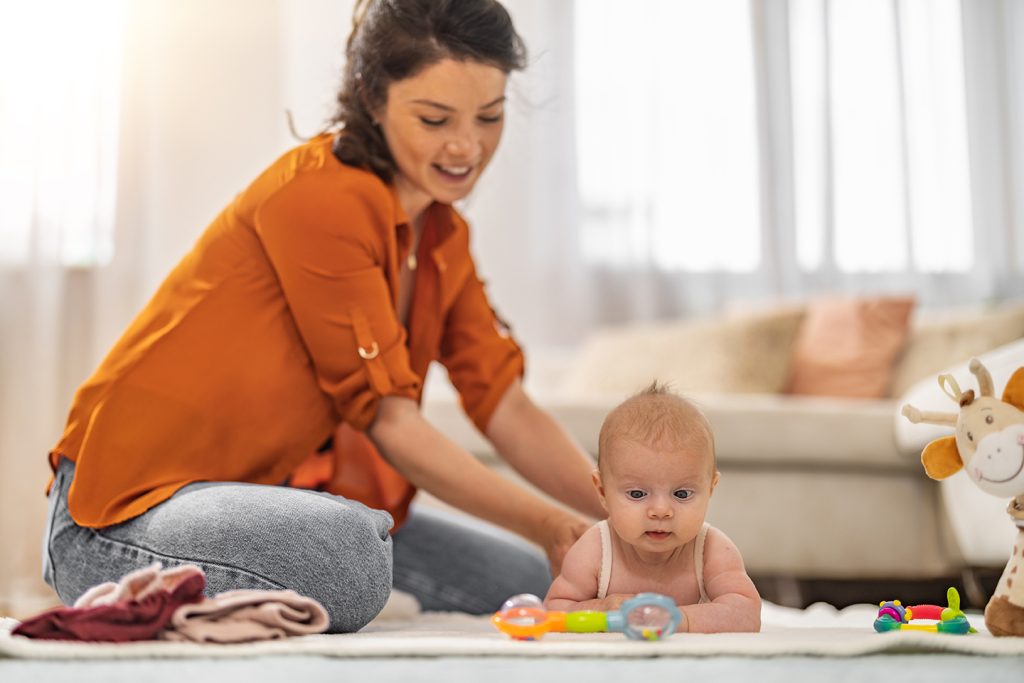
What is Tummy Time? Tummy time means placing your baby on their stomach while they’re awake and supervised. It’s a simple but vital activity for your baby’s early development.
Why is Tummy Time Important?
Builds Strength: Helps develop neck, shoulder, and arm muscles, which are crucial for sitting, crawling, and walking.
Improves Motor Skills: Enhances muscle control, helping your baby achieve milestones like rolling over and reaching for objects.
How to Start Tummy Time
Begin tummy time within a day or two of birth with 2-3 short sessions (3-5 minutes each) daily. Gradually increase to 15-30 minutes total by 2 months old.
Place your baby on a blanket or mat on the floor, and sit in front of them to encourage engagement. Use toys or a small mirror to make it fun.
Tips for Success
Always supervise your baby during tummy time for safety.
Limit time spent in car seats, bouncers, or swings to promote natural movement on the floor.
Provide a soft surface like a carpet or mat when your baby begins crawling (typically 6-9 months) to prevent delays caused by slippery floors.
Toddlers and Young Children: Active Play and Learning
As your child grows, focus on activities that build their physical, social, and cognitive skills:
Movement and Coordination
Encourage your child to move and explore through playful activities:
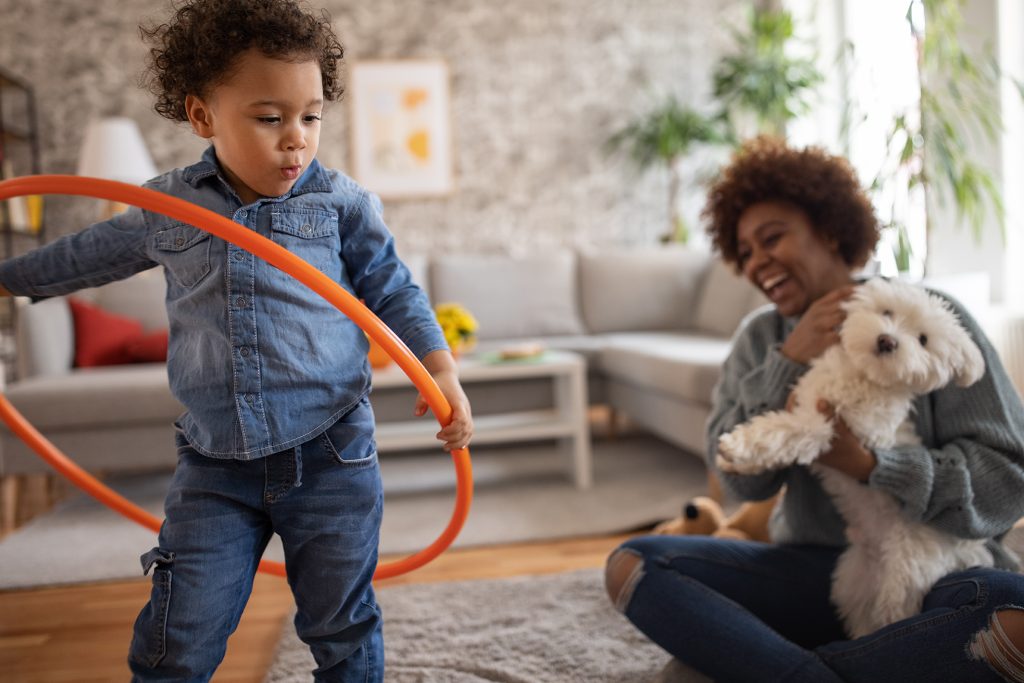
Run, jump, hop, skip, dance, and clap together.
Play games like Simon Says to practice bending, balancing, and lifting.
Use balance bikes, scooters, or tricycles to develop coordination.
Try ball games like kicking, catching, or throwing to build strength and agility.
Creative Play
Offer opportunities to paint, draw, cut, and stick. These not only improve hand-eye coordination but also nurture problem-solving and imagination.
Join toddler gym classes, playgroups, or swimming lessons for physical and social skill development.
Everyday Learning Opportunities
Everyday moments can spark learning:
Reading Together: Make reading a daily habit. For example, share a bedtime story to strengthen brain development and foster a love for books.
Talk About Their World: Describe what you see, hear, and do together. For instance, point out colours, shapes, or sounds during a walk.
Shared Mealtimes: Eat meals together to encourage positive attitudes toward food and build social habits. Ask open-ended questions like, “What was the best part of your day?” Place their drinking cup alternately on the left and right sides of their plate to practice crossing the midline.
Minimise Screen Time
For children under 5, limit screen time to less than 1 hour per day.
Encourage active play and imaginative activities instead.
Model healthy habits by reducing your own screen use around your child to prioritize interaction and bonding.
Encourage and Celebrate Progress Positive reinforcement builds confidence and resilience:
Celebrate achievements, big or small, with affirmations like, “Fantastic effort! You’ll get it soon, don’t worry!”
Eye Care for Your Child
Good vision is key to learning and exploring. The NHS outlines important eye health milestones:
Newborn to 8 Weeks: Babies’ eyes are checked shortly after birth and again at 6-8 weeks to spot any concerns.
1 to 2.5 Years: If you notice issues like crossed eyes or unusual movements, consult your healthcare provider.
Reception Year (Age 4 to 5): Your child may have a vision screening test at school. If not, schedule a free eye exam at an optician to ensure their eyes are tracking and focusing correctly.
Why Eye Checks Matter Early identification of vision problems helps prevent difficulties with reading, learning, and coordination. Mark your calendar to ensure regular check-ups.
Practical Tips for All Families
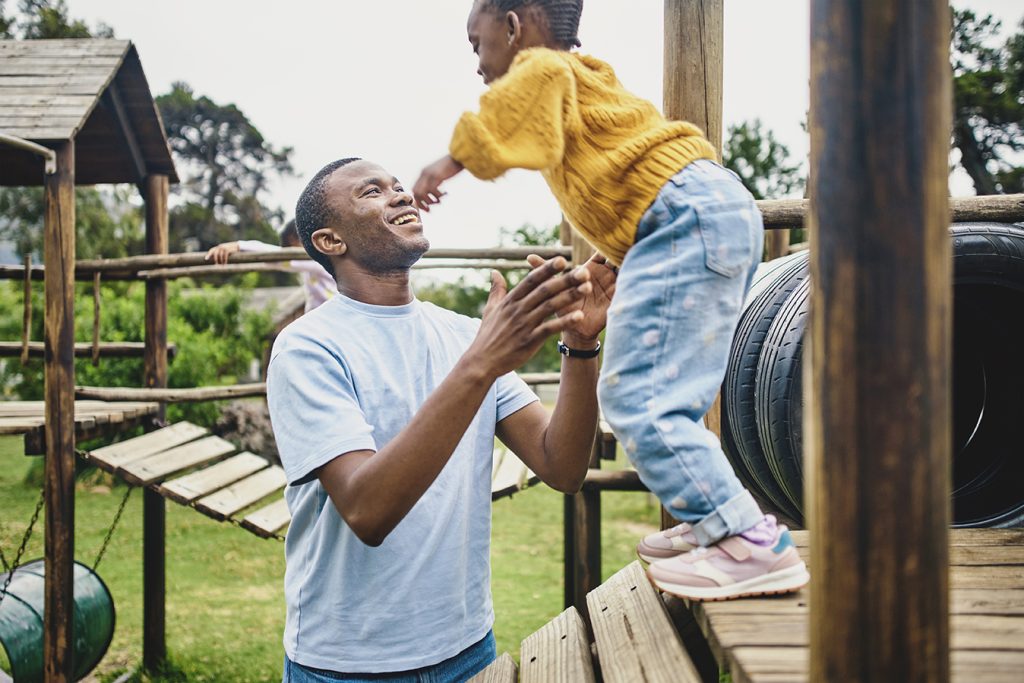
Budget-Friendly Ideas: If playgroups or toddler gyms aren’t an option, set up a mini obstacle course at home using cushions, chairs, and toys. Visit local parks for free outdoor activities.
Parental Well-Being: Parenting is rewarding but demanding. Make time for self-care so you can stay positive and energized for your child. Every child is unique and develops at their own pace. With love, encouragement, and these practical tips, you’re giving your child the best start in life!
Subscriptions to the Corefulness programme are only available to Nurseries, Primary Schools, Pre-Prep and Preparatory Schools. To ensure eligibility, a registered school email address is required.
It looks like you’ve registered with a non-school email address. If you have a school email address, please contact us using the form below so we can assist you in getting your nursery or school subscribed.
If you’re associated with a school and interested in a subscription, but don’t have a school email address, please also contact us through the form below, and we’ll assist you further.