1. The historical impact of Neuromotor maturity on educational success
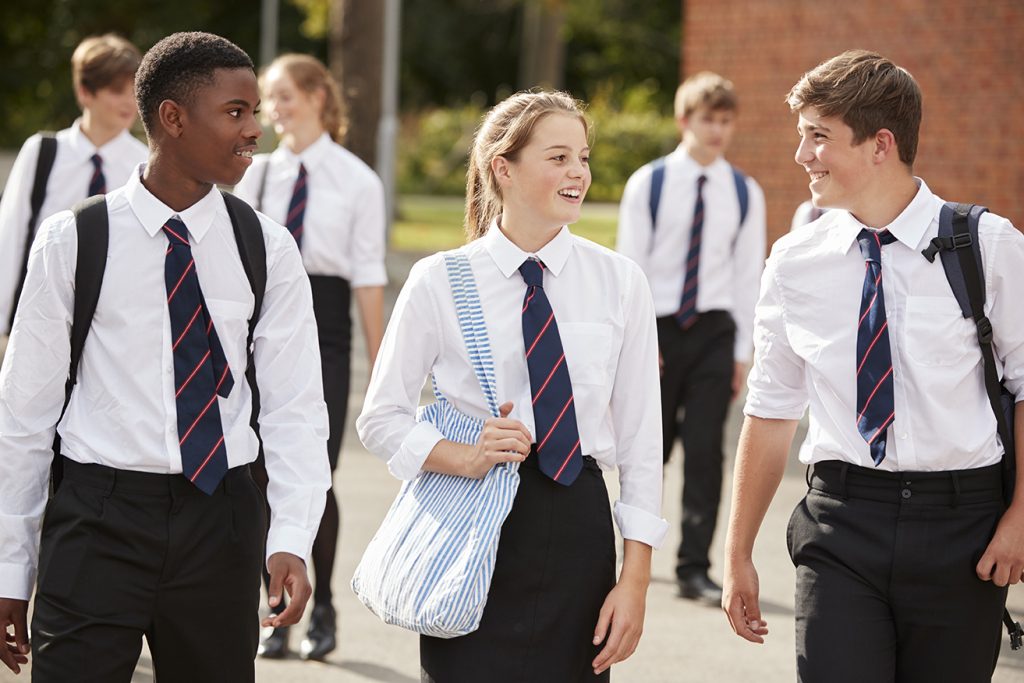
A study of nearly fifteen thousand UK children born in 2000-2001 revealed that children who missed key motor milestones by nine months were five points behind on cognitive tests at age five compared to those who met them (Hansen et al, 2010).
These milestones included sitting unaided, crawling, standing, and taking first steps. Delays in motor skills in the first year were linked to later cognitive and behavioural challenges.
School readiness involves more than just age; children need to be able to control their emotions, dress themselves and have good personal hygiene and eating skills. They require good communication skills and the ability to listen and follow instructions. From a neuro motor perspective, they need to be able to sit still, focus attention on one task, and hold and manipulate a writing tool. They require gross motor control and balance to explore the world around them and enhance their learning. Children need to be able to: control eye movements to maintain a stable image, and converge their eyes on one point to read a word. These abilities stem from connections made in the brain between nerve cells (synapses) which are affected by the experiences a child has during the first five years of life.
Before 1980, every child at the time of school entry underwent developmental testing. However, since the 1980s, the UK education system phased out this testing resulting in a shift in special needs management from the Department of Health to the Department of Education and Science. Focus was therefore more on cognitive abilities rather than physical developmental status. As a result, children with delayed physical development without a medical diagnosis often go unnoticed. They may underperform, not due to lack of intelligence, but because essential physical skills are underdeveloped.
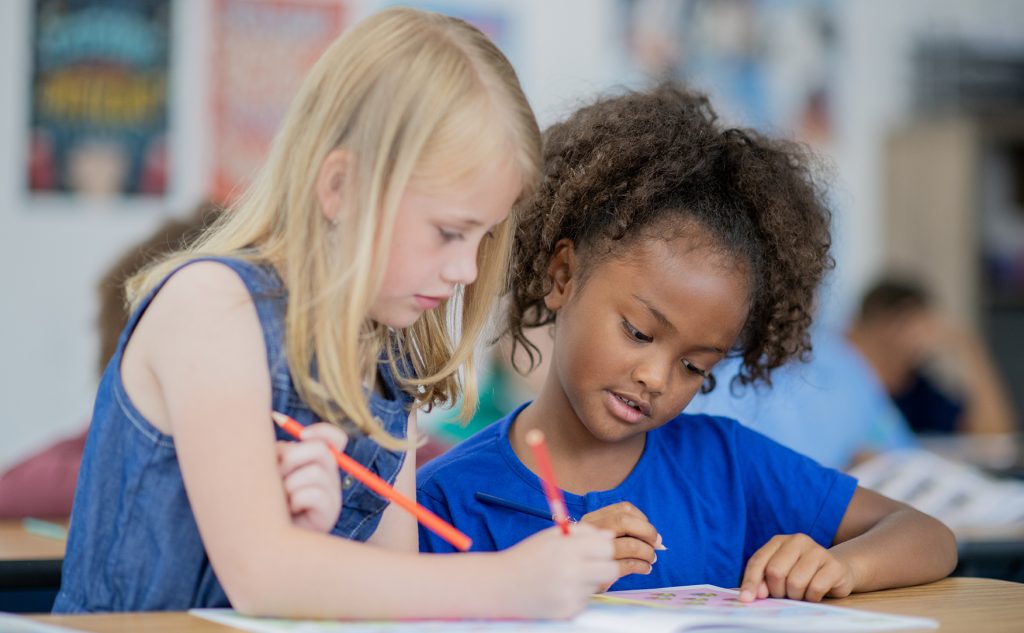
Teachers might assume these children are doing well at first, causing their needs to be overlooked, which can lead to frustration, poor academic outcomes and behavioural issues later on. Educational underachievement can stem from various factors, including home environment, attendance, learning disabilities and teaching quality.
However, if a child has immature movement skills, then this is a significant factor that schools can address through an inclusive programme of specific movement exercises for all children (McPhillips et al, 2000).

2. Evolving challenges and priorities in the UK education sector
The following issues reflect the complex and evolving nature of the education sector, highlighting our need for ongoing attention and adaptation to meet the needs of all pupils.
Increasing Special Educational Needs (SEN) demand:
In 2023, approximately 12.6% of children in nursery and primary schools were identified with SEN, compared to 11.6% in 2016.
Reference: Department for Education (DfE), Special Educational Needs in England, 2023.
Mental health and well-being:
According to a 2022 survey, 15% of primary school students reported experiencing anxiety or depression. The number of school-based mental health support teams increased from 59 in 2017 to over 200 in 2023.
Reference: NHS Digital, Mental Health of Children and Young People in England, 2022; Department for Education (DfE), 2023.
Teacher shortages and recruitment challenges:
The UK experienced a 9% shortfall in primary school teachers in 2023. Teacher retention rates fell from 84% in 2016 to 78% in 2023.
Reference: National Foundation for Educational Research (NFER), Teacher Labour Market in England Annual Report, 2023.
Impact of COVID-19:
74% of students experienced learning loss during the pandemic, with 44% of those still behind their expected academic level in 2023. Remote learning participation rates peaked at 89% during the lockdown in 2020.
Reference: Education Policy Institute (EPI), Learning Loss Report, 2022; Ofcom, Online Nation Report, 2021.
Educational inequality:
The attainment gap between disadvantaged students and their peers widened by 10% between 2016 and 2023. In 2023, only 51% of students eligible for free school meals achieved the expected standard in reading, writing, and maths, compared to 70% of their peers.
Reference: Education Policy Institute (EPI), Annual Report on Education Inequality, 2023.
Curriculum Changes and Reforms:
In 2023, 65% of primary schools adopted the new curriculum standards introduced in 2019. 52% of teachers reported that recent curriculum changes had a positive impact on student learning.
Reference: Department for Education (DfE), Curriculum Reform Implementation Report, 2023.
Technology Integration:
In 2023, 85% of primary schools had integrated digital learning tools into their daily lessons, up from 54% in 2016. The ratio of students to computers improved from 5:1 in 2016 to 2:1 in 2023.
Reference: British Educational Suppliers Association (BESA), Technology in UK Schools Report, 2023.
Funding and Resource Allocation:
School funding per pupil increased by 8% in real terms from 2016 to 2023. Despite increases, 60% of schools reported insufficient funding to meet all student needs in 2023.
Reference: Institute for Fiscal Studies (IFS), Annual Report on School Funding, 2023.
Inclusion and Diversity:
The percentage of schools rated as ‘outstanding’ for inclusion practices by Ofsted rose from 14% in 2016 to 21% in 2023. In 2023, 75% of schools had active diversity programs compared to 50% in 2016.
Reference: Ofsted Annual Report, 2023; Department for Education (DfE), Inclusion and Diversity Initiatives Report, 2023.
Policy and Governance Changes:
The number of academies and free schools increased from 6,000 in 2016 to over 8,500 in 2023. 62% of parents reported positive impacts from their children’s schools converting to academies or free schools.
Reference: Department for Education (DfE), Academy and Free School Statistics, 2023; Parent Survey on School Conversions, 2023.
Parental Engagement and Home-School Relationships:
In 2023, 72% of parents reported being actively involved in their child’s education, up from 60% in 2016. The number of schools with formal parental engagement programs increased from 45% in 2016 to 67% in 2023.
Reference: National Parent Forum of Scotland (NPFS), Parental Involvement and Engagement Census, 2023.
3. School Readiness
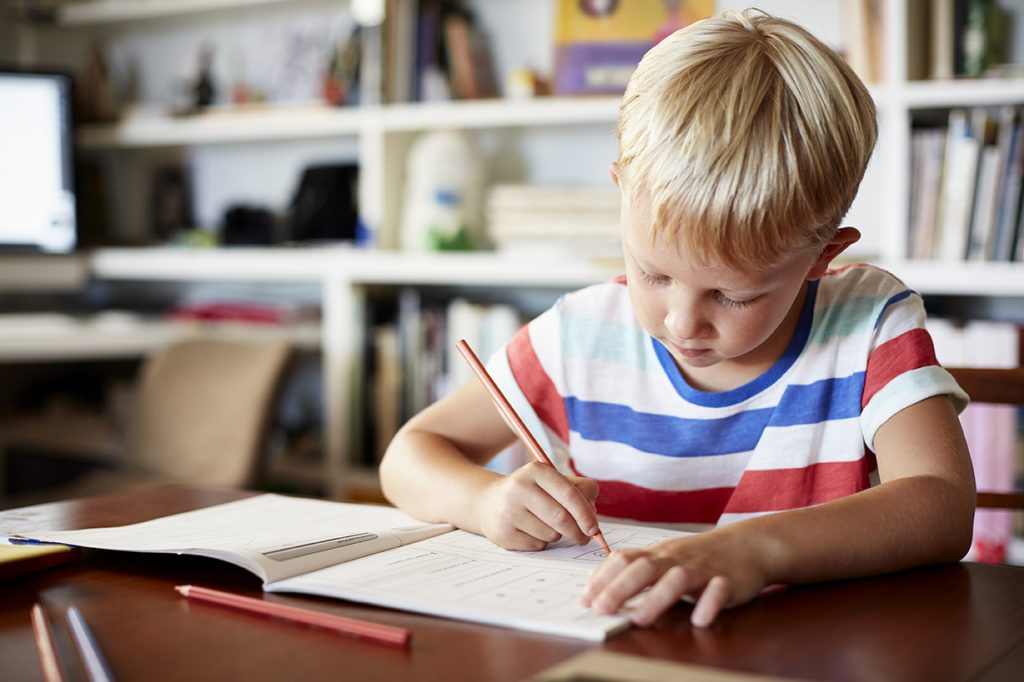
From birth to age 5, a child’s brain develops more than any other time in their life.
Early brain development has a lasting impact on a child’s ability to learn and succeed in school and life. A newborn baby has all the brain cells, known as neurons, that they will have for the rest of their life, but it is the connections between the cells (synapses) that really make the brain work. The early childhood years are crucial for making these connections. Early Childhood Development and Health Board, 2006.
By the time a child goes to school their brains will have developed in response to stimuli and experiences and these will have an impact on how ‘ready’ a child is for school. School readiness includes areas of social, emotional, cognitive, language and literacy and physical development. It is the broad range of knowledge and skills that provide the right foundation for good future progress through school and life.

It is by appreciating the complexity of neuromotor, emotional and behavioural development that we can understand why some children do better in an educational setting than others.
Research shows that: ‘Poor physical development, impacts readiness for school, learning, achievement, behaviour and social development’. Preddy et al (2020).
Oxfordshire County Council’s School Readiness and Lifelong Learning Strategic Plan (2020) states that ‘Children who do not achieve a good level of development by the age of 5 will often struggle with reading, mathematics, social and physical skills leading to longer term impacts on their educational attainment and health.’
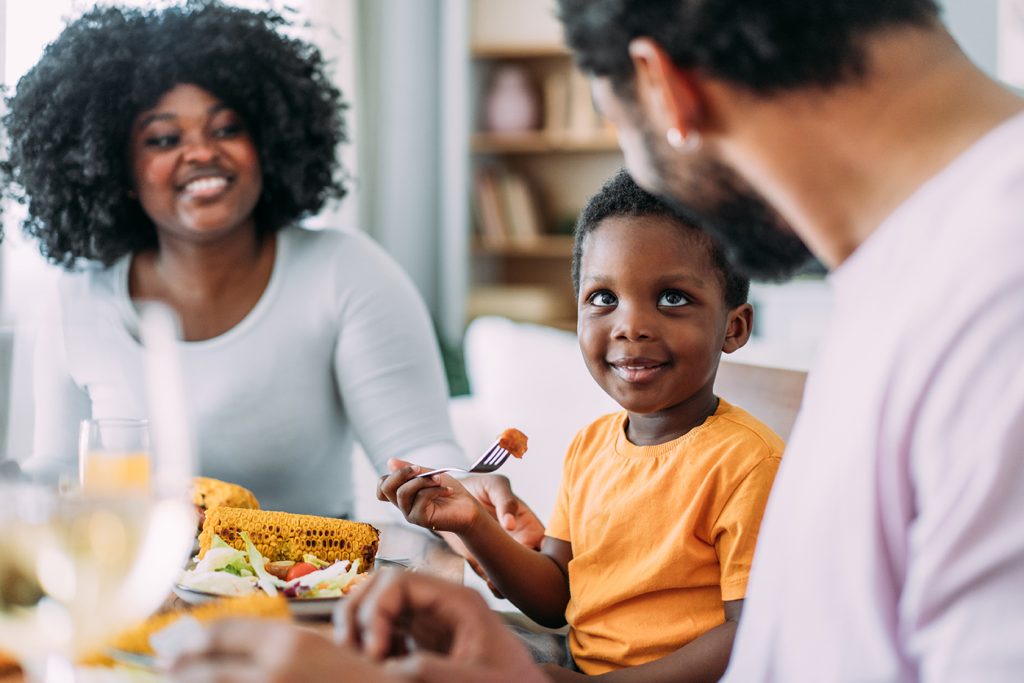
4. Factors affecting nerve cell connections (synapses)
As we know, there are many factors which impact synapses developing between nerve cells and ultimately affect a child’s development and their readiness for school.
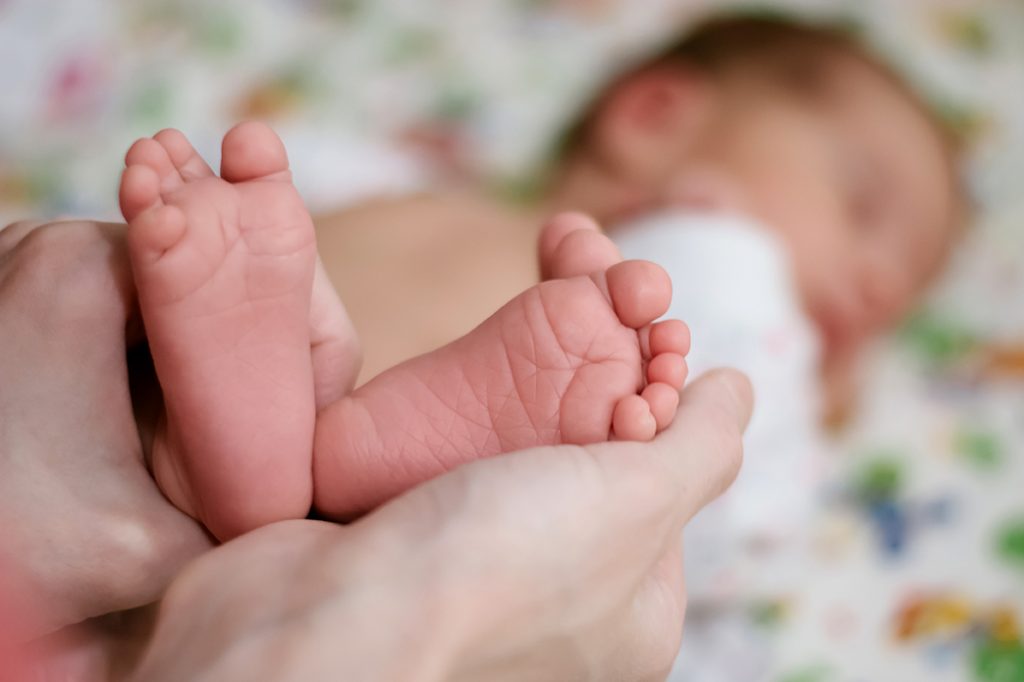
Pregnancy and birth
Pregnancy and birth can significantly impact synapse development between nerve cells, affecting a child’s cognitive growth and school readiness. Prenatal stress, poor nutrition, or exposure to toxins can disrupt neural connections, impairing memory, attention, and emotional regulation. Birth complications, like oxygen deprivation, can also hinder synapse formation, delaying language and problem-solving skills. These early challenges can result in learning difficulties. Proper prenatal care and a supportive postnatal environment are essential for healthy brain development (and future academic success).
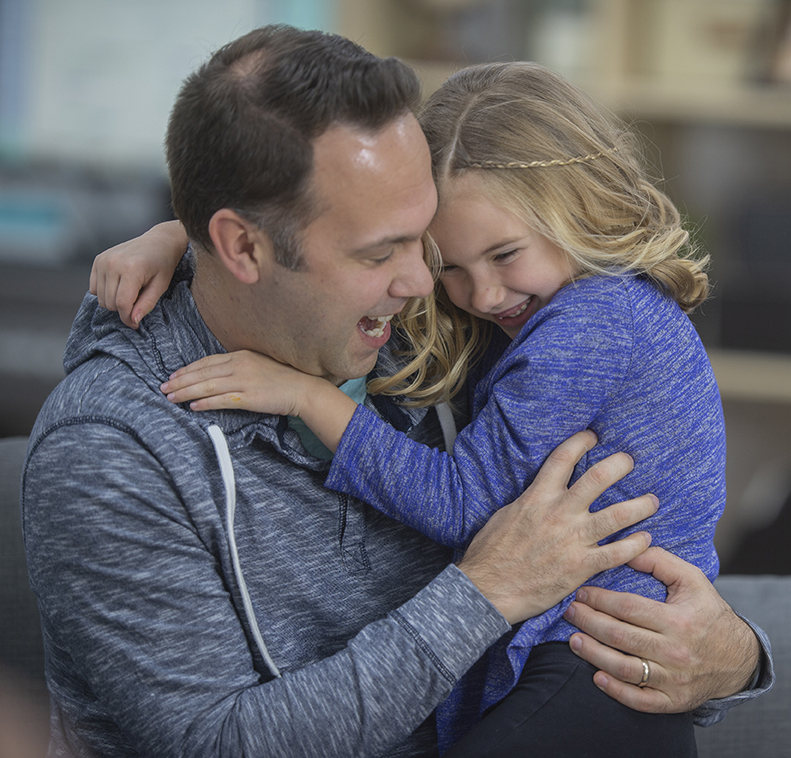
Family environment
Family environment plays a crucial role in the development of synapses between nerve cells, directly affecting a child’s cognitive growth and school readiness. As highlighted by the Royal Foundation Centre for Early Childhood’s ‘Shaping Us’ campaign, a loving, nurturing environment fosters healthy brain development, strengthening neural connections. In contrast, a hostile or stressful environment can disrupt synapse formation, impairing cognitive and emotional functions. Early exposure to stress can have lasting impacts on a child’s mental well-being, hindering their ability to learn, socialize, and thrive in school.
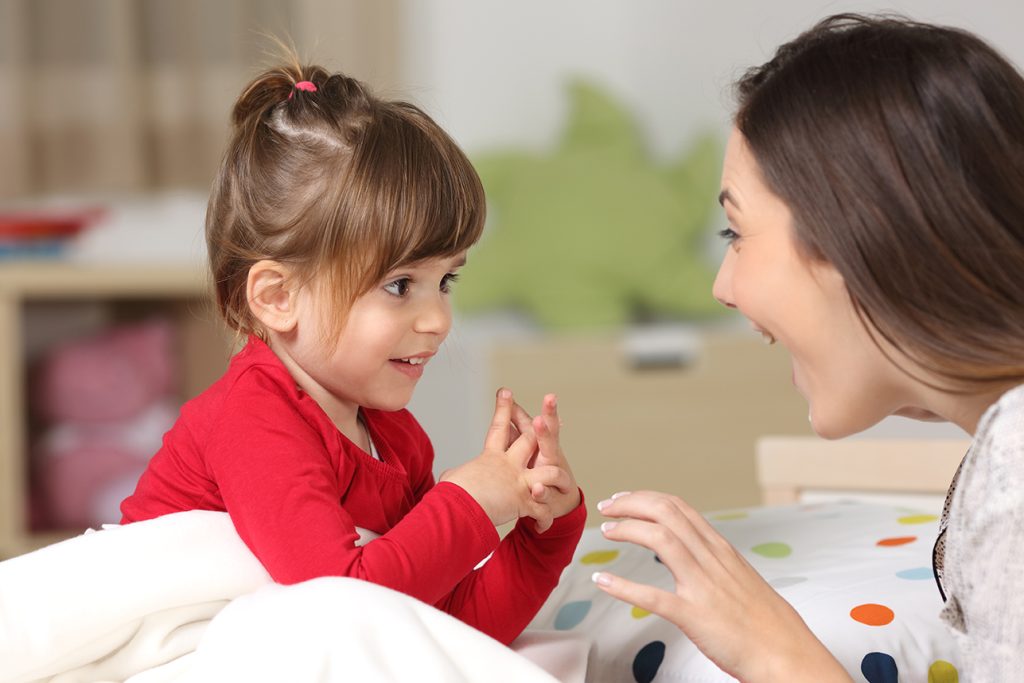
Speech and language
Speech and language development is crucial for forming neural connections essential to a child’s cognitive growth and school readiness. To build these skills, children need consistent exposure to varied language input from those around them. Hearing sounds and words, and linking them to objects, experiences, and emotions stimulates synapse formation. Observing facial expressions and how mouths form sounds help children learn to replicate speech. Without rich and diverse language interactions, children may develop immature verbal skills, affecting their ability to communicate (and thrive academically in school).
Visual stimuli
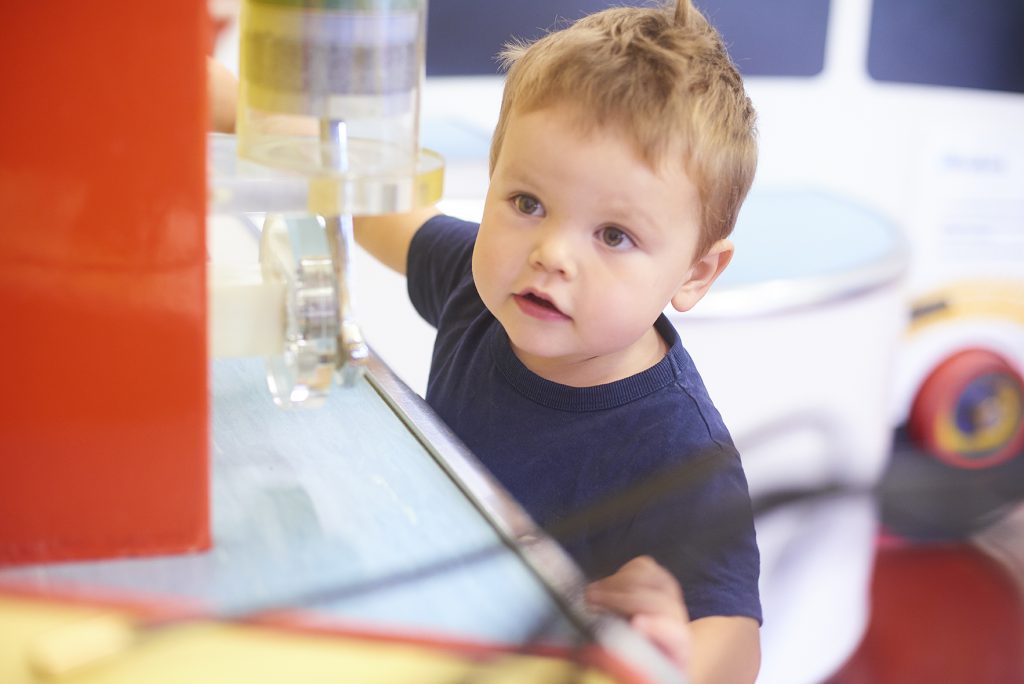
Visual stimuli play a critical role in brain development during a child’s first five years. Exposure to varied visual experiences enhances neural connections, improving focus, coordination, and cognitive function. Synchronizing visual input with brain processing strengthens the child’s ability to interpret and interact with their environment. Over time, this supports motor coordination and cognitive development. Conversely, vision problems in early infancy can hinder brain development and lead to delays in coordination and learning, ultimately impacting a child’s readiness for school and overall growth.
Movement and activity
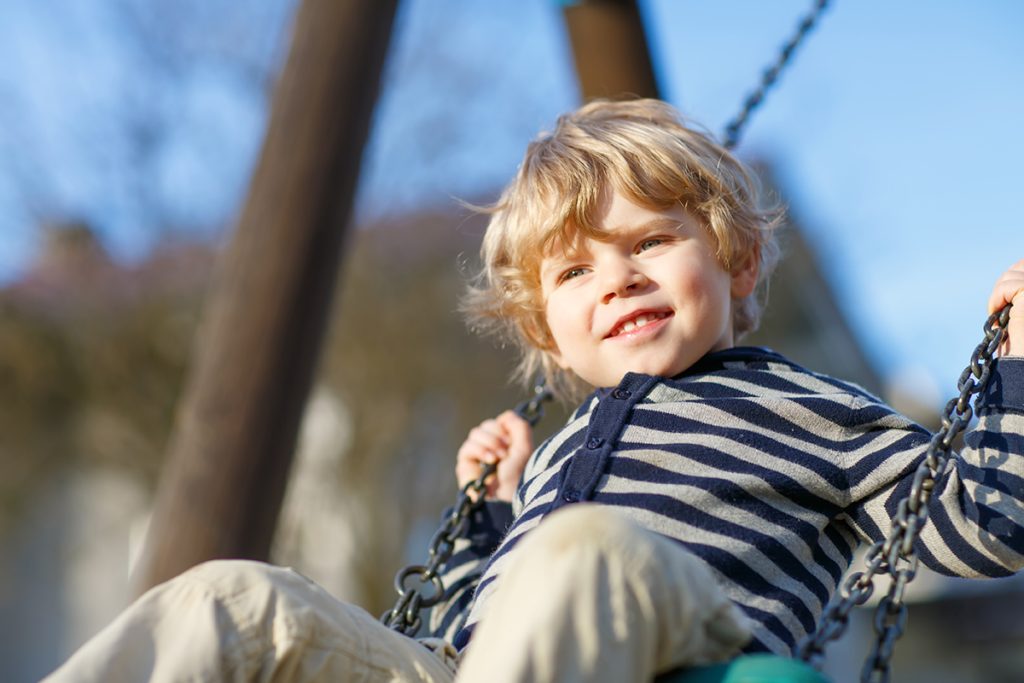
Movement and physical activity are vital for brain development in a child’s early years, as they stimulate the formation of synapses critical for cognitive and motor growth. Essential movement skills include gross and fine motor development, hand-eye coordination, core strength, balance, spatial and positional awareness, and agility. These skills allow children to explore their surroundings, learn self-care, develop handwriting for literacy and numeracy skills, as well as control for physical activities and sports. Correct movement helps with static balance, essential for tasks like sitting in a classroom. Children who are not encouraged or given opportunities to develop these neuromotor skills may enter school with immature movement, thus impacting their learning potential and ability to fulfil learning goals which can affect behaviour and emotional well-being.
Diet
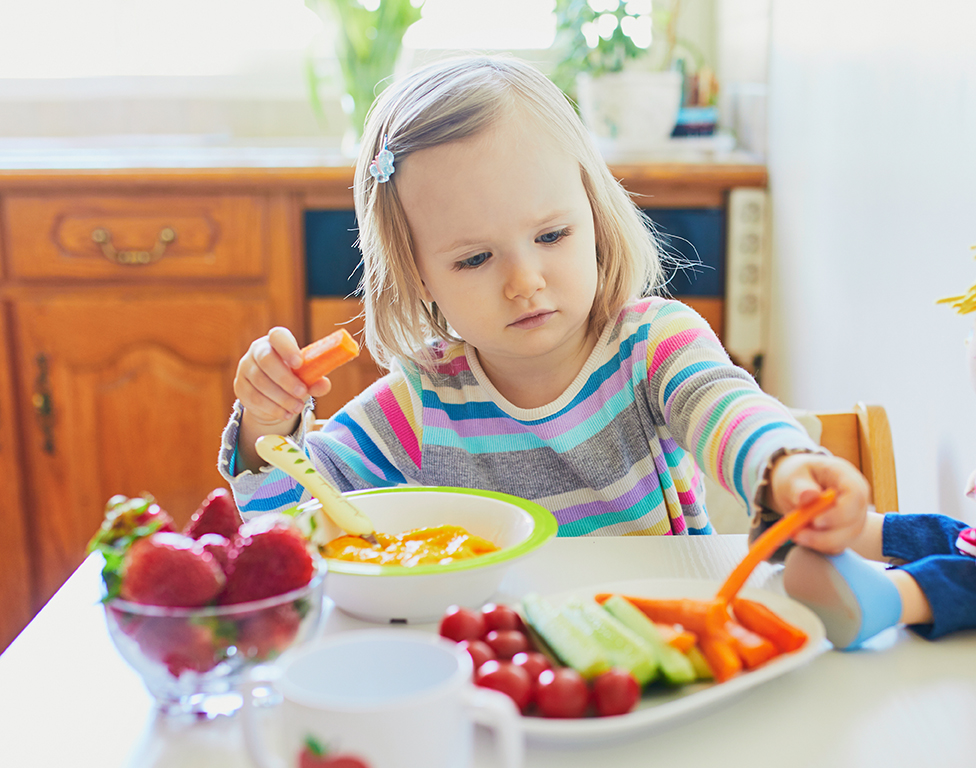
A healthy diet is crucial for a child’s growth, brain development, and learning, particularly in the first five years. Nutrient-rich foods support the nervous system, build strong bones, and develop muscles. Proper nutrition enhances cognitive abilities like memory, attention span, and problem-solving skills. In contrast, poor nutrition can hinder brain development, limit growth, and negatively impact cognition and behaviour. A well-balanced diet is essential for ensuring optimal physical and mental development, directly affecting a child’s readiness for school, behavioural patterns and overall well-being.

Toxins
Children are more vulnerable to the effects of toxins than adults due to their rapidly growing and developing central nervous system and lungs. Exposure to environmental toxins can result in adverse neurobehavioral outcomes and health issues. Neural synapses will be affected and impact a child’s developmental maturity.

Education
Education in early childhood is shaped by active engagement with the environment, including observing, listening, and interacting with others. Safe, familiar surroundings encourage children to explore and learn, fostering brain development and synapse formation. Experiences vary widely, from full-time nursery care to home-based upbringing, and these experiences can have both positive and negative effects on cognitive and emotional development. These variations impact synapse connections meaning early educational experiences can play a crucial role in shaping cognitive abilities, social skills, and overall school readiness.

5. Barriers to Learning
Barriers to learning are factors that prevent a child from fully engaging in the learning process. These obstacles may be physical, emotional, personal, or motivational and can range from obvious to subtle, impacting a child’s ability to achieve academic success. Addressing these barriers is essential for fostering a supportive learning environment.
Physical Barriers
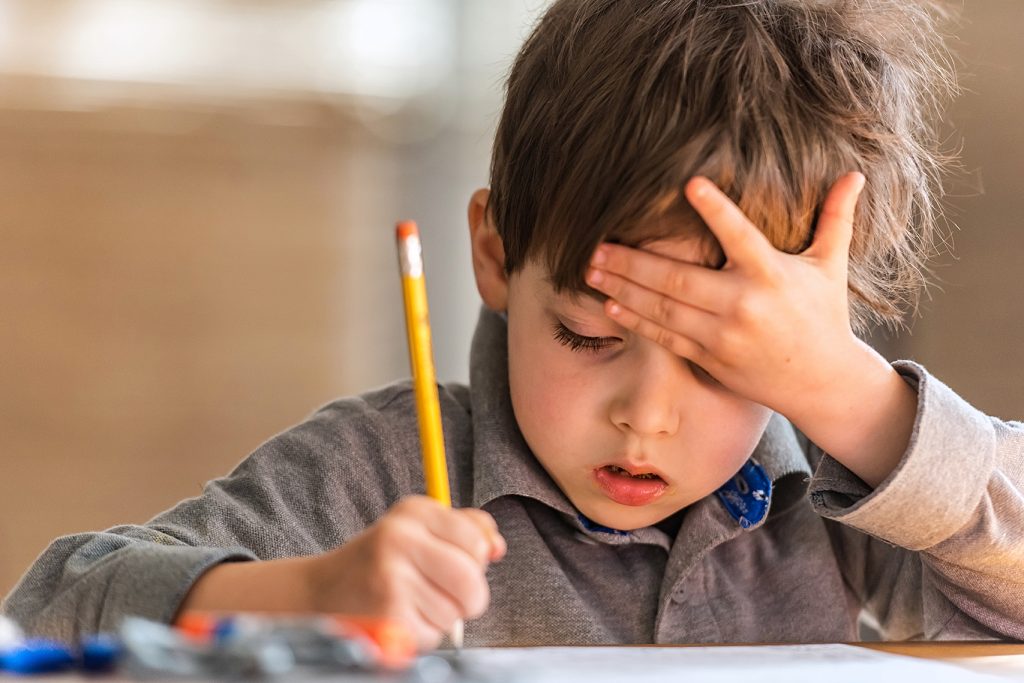
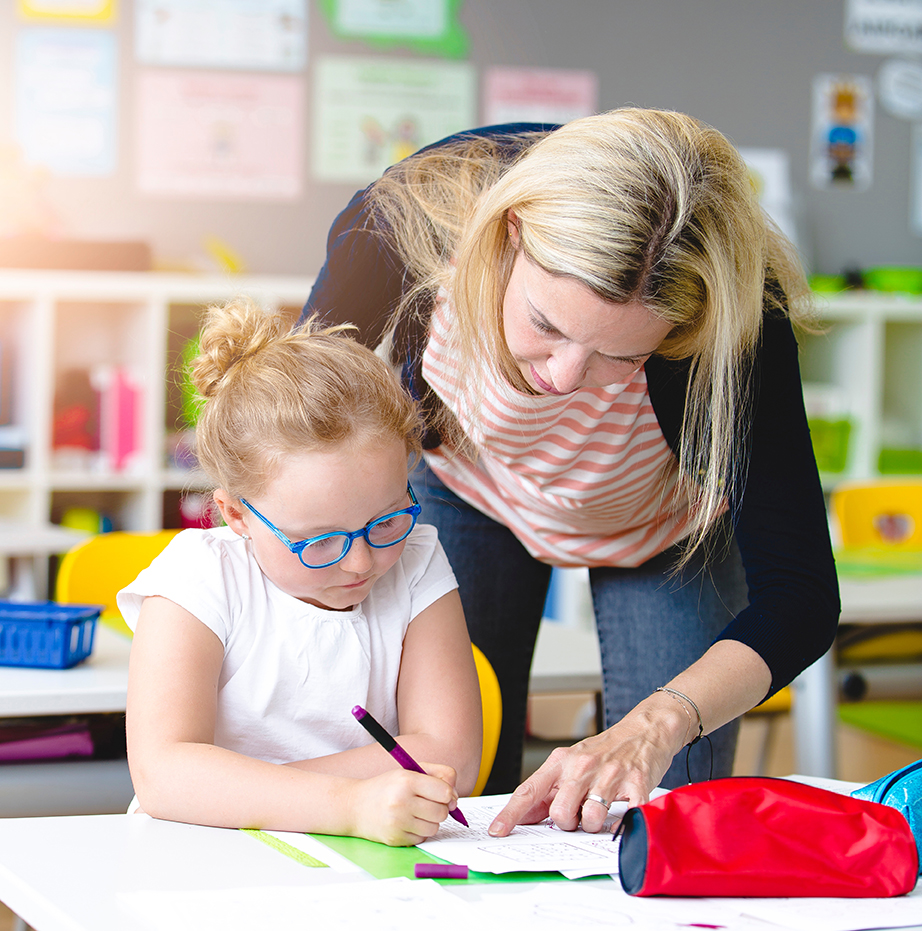
Physical barriers hinder learning due to environmental constraints or physical challenges. Children with immature movement skills may struggle with static balance, making it difficult to sit still in class. Poor fine motor coordination can affect their ability to control a pencil, perform self-care tasks, or manipulate objects. Challenges with eye control may impair focus and tracking, essential for reading and writing. Inadequate gross motor skills affect body awareness, reaction speed, balance, and strength, all of which are necessary for physical and cognitive tasks in the classroom.
Emotional Barriers
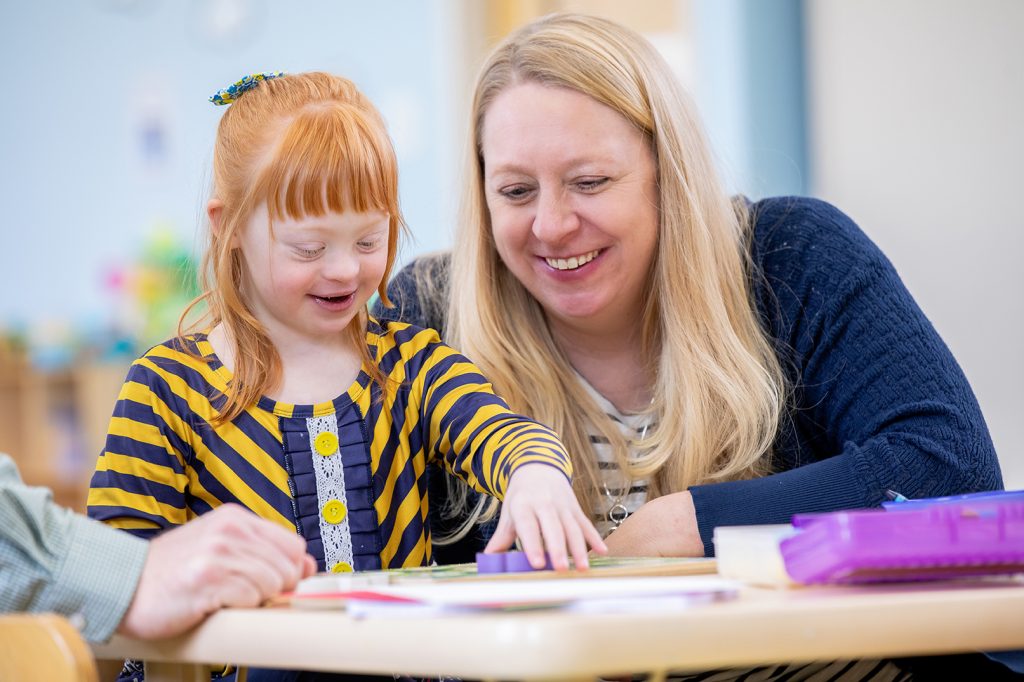
Emotional barriers, such as anxiety, stress, or low confidence, significantly impact a child’s ability to focus, concentrate, and process information. These emotions can overwhelm a child’s cognitive resources, making it difficult to engage with learning. Children who retain certain primitive reflexes may have a heightened neural response, leading to poor emotional regulation, further impeding their ability to participate fully in the learning process. Managing emotional well-being is crucial for creating an environment conducive to learning.
Personal Barriers
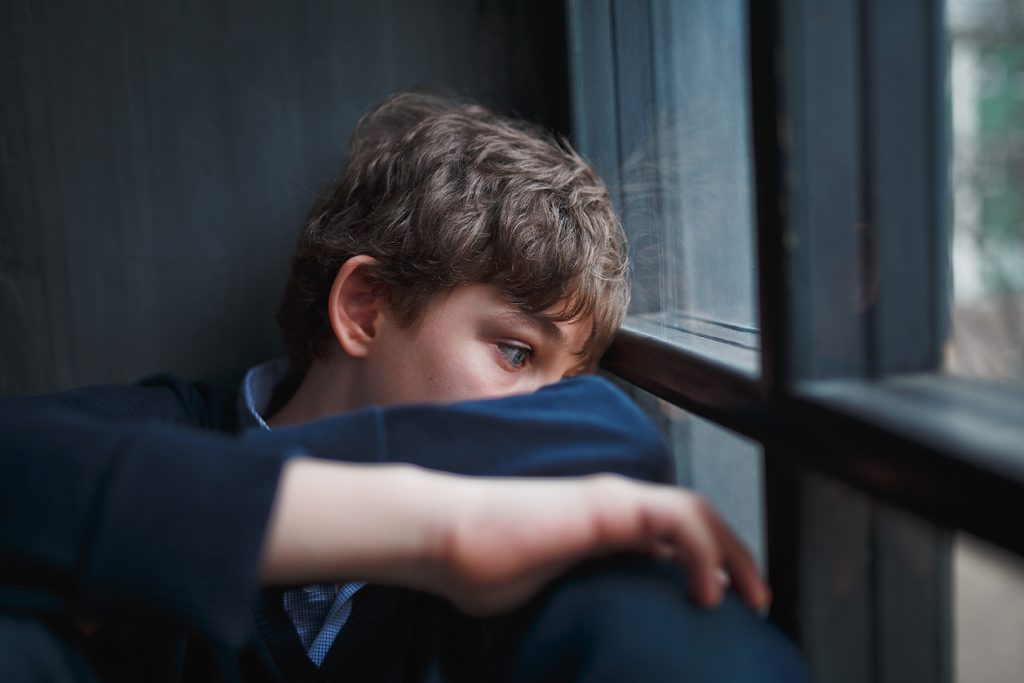
Personal barriers are individual factors which include learning difficulties, disabilities, and language barriers. These challenges often require specialised teaching strategies and additional support. Many children may exhibit symptoms of dyslexia, dyspraxia, or ADHD but do not meet the formal criteria for special education services. As a result, they often work harder to compensate, which can cause fatigue and frustration. A large group of students may display similar symptoms due to immature movement skills or retained primitive reflexes, further complicating their learning experience.
Motivational Barriers
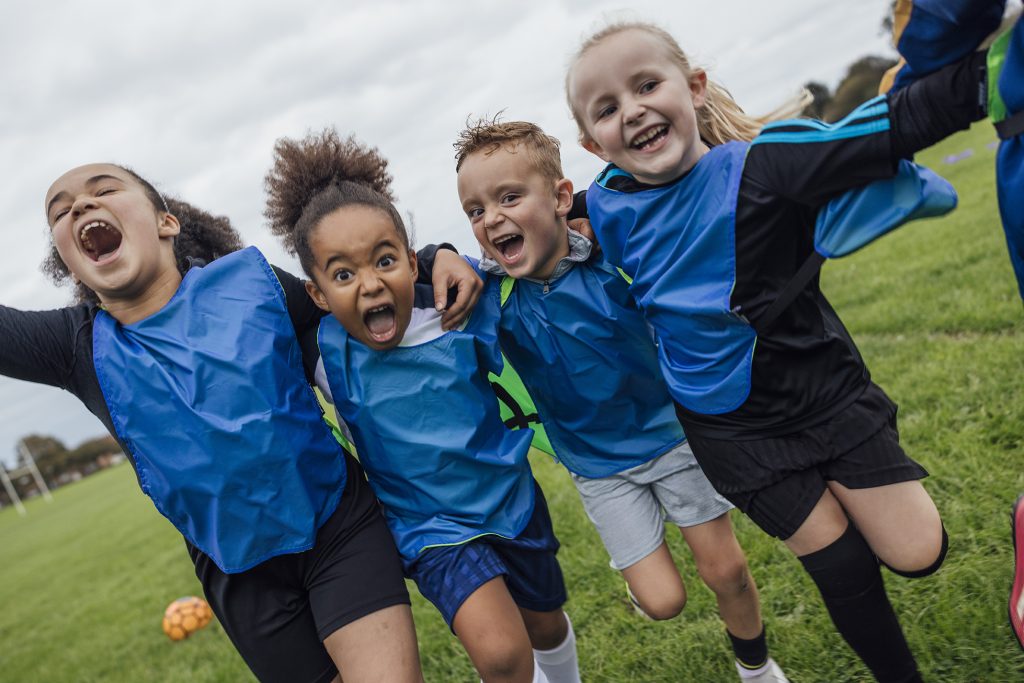
Motivational barriers manifest as low engagement, lack of interest, or limited intrinsic motivation to learn. These issues can stem from difficulties in focusing, possible visual or auditory challenges, or a disconnect with the material being taught. When children struggle to focus or process information due to sensory issues, they may appear disengaged, leading to a cycle of low motivation and poor academic performance. Addressing underlying factors that affect motivation, such as making learning more accessible and relatable, is key to overcoming these barriers.
6. Neuromotor Skills
Neuromotor skills are the vital movement skills that are required for school readiness and to optimise learning potential.
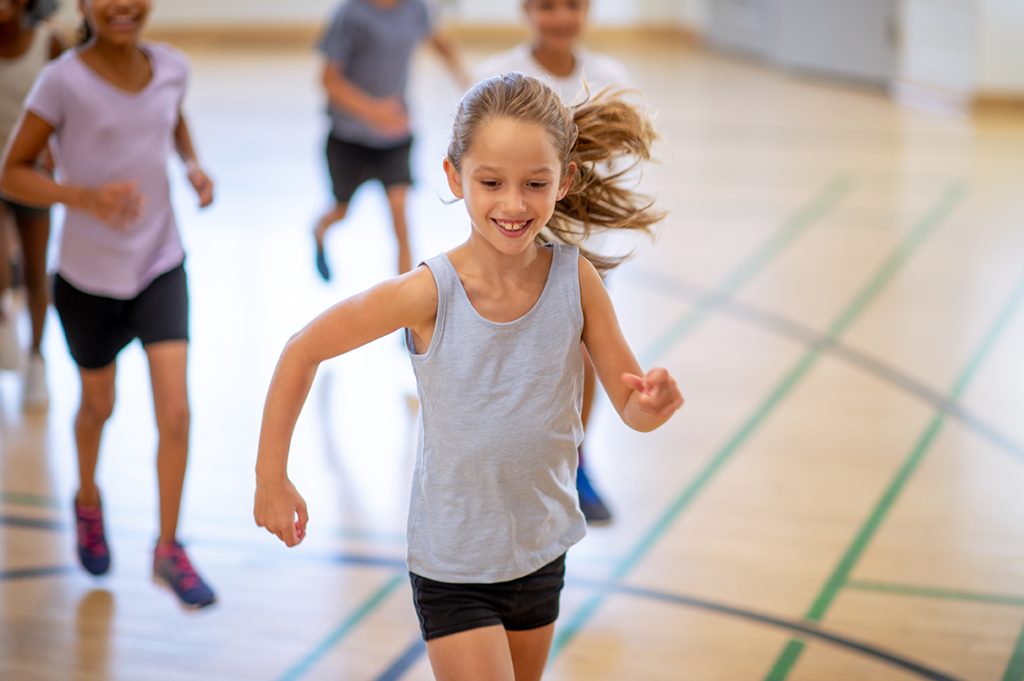
Gross Motor Skills
Gross motor skills are important for everyday physical activities from rolling and crawling, to sitting, standing, walking, running, jumping, hopping and skipping. Gross motor abilities form the basis for fine motor skills and relate to body awareness, reaction speed, balance and strength. These movements are vital for children to move and explore the world around them and stimulate all their senses. Gross motor movements help develop strong bones and muscles and a healthy cardiovascular system for long term fitness.
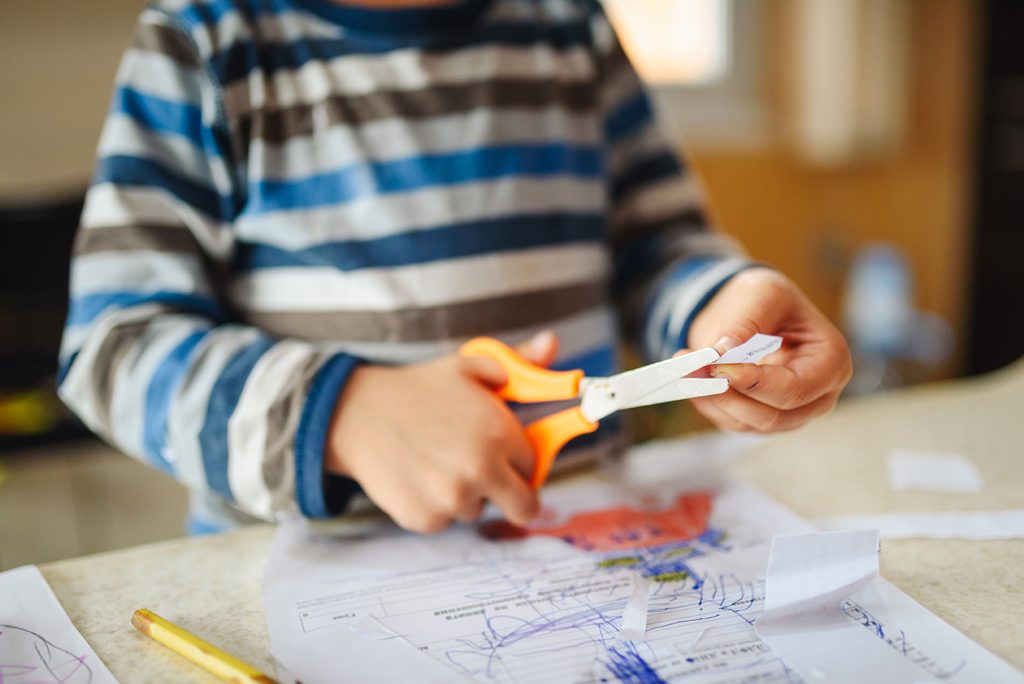
Fine Motor Skills
Fine motor skills involve small muscles working with the brain and nervous system to control movements in the hands, fingers, lips, tongue and eyes. They help children develop movements and control which allow them to eat, write, dress and manipulate objects. It is vital that children learn how to complete tasks independently to promote cognition, speech and sensory development which gives them confidence, independence and promotes skills such as executive function.
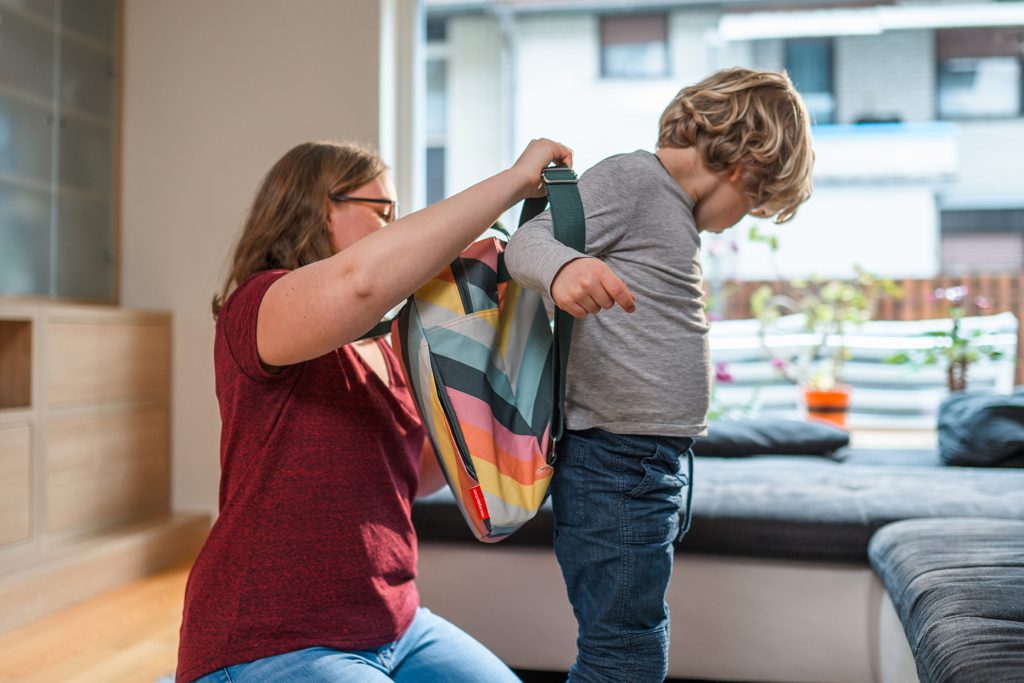
Strength
Strength: A child who is strong will have good muscle growth and bone density. Strength encourages proper posture, balance and coordination, helping children to develop movement skills, agility and athleticism, which are vital for sport and physical activities. Children who improve their physical capabilities often gain a sense of achievement and pride which has a positive impact on their well-being and resilience. It is vital that children build strength for movement and power as well as core strength, for stability and endurance.
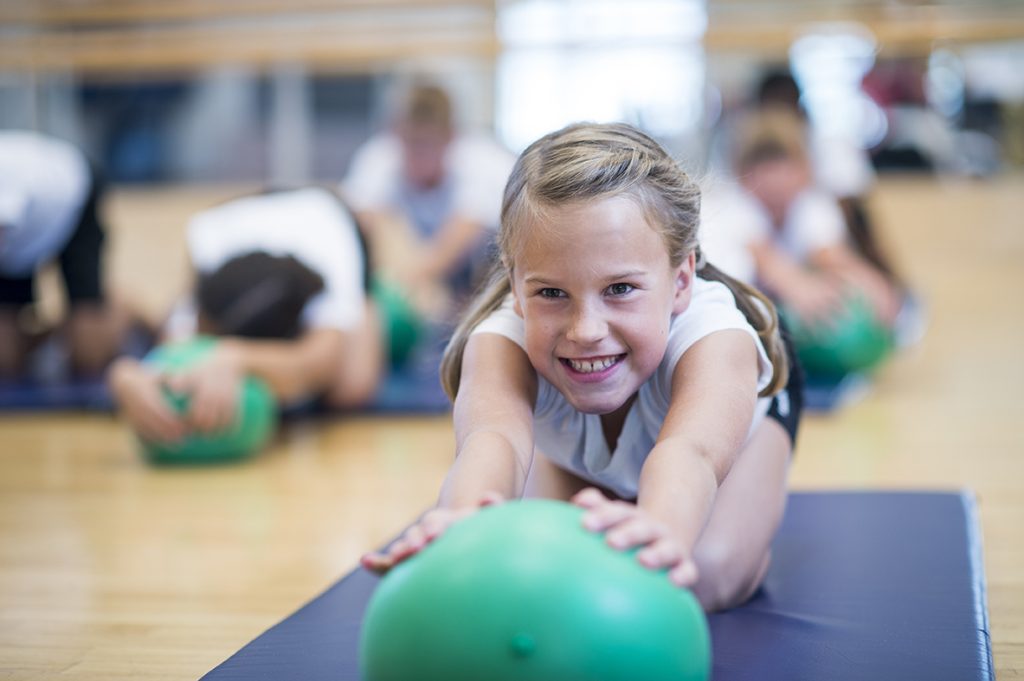
Core Stability
Core stability is essential for posture and for body control which aids gross motor skills, fine motor skills, stability, balance and coordination. Core stability muscles help keep the body upright, allowing children to sit well at a desk so they can use their hands for ‘fine motor tasks’ such as writing, cutting and daily tasks like eating. Children who have good core stability will be able to maximise the function of their bodies and efficiency of their muscles that move them, during sport and exercise.
Coordination
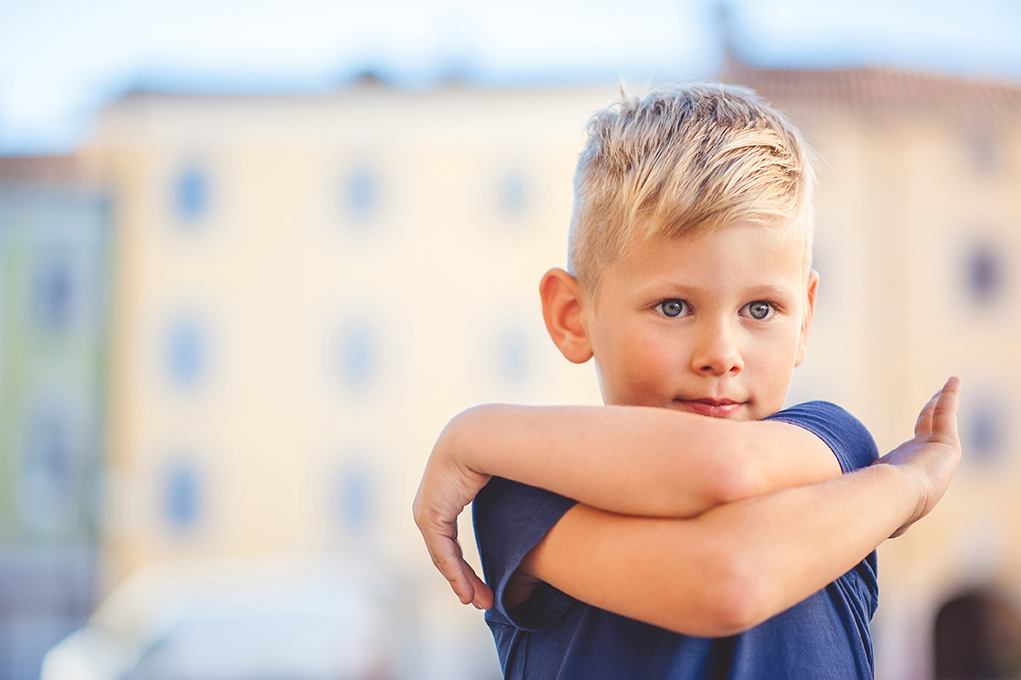
Coordination helps process brain signals to move specific body parts effectively and is vital for a child to:
- Control the right side of their body independently from the left side
- Control both sides of the body together
- Be able to cross the midline – which is moving the hands or legs from one side of the body to the other. This allows a child to bring their hands together to manipulate objects or take the leg across the body to kick a ball
- Develop hand-eye coordination; the brain processes visual input and guides hand movement, so a child can see and focus on a task. This is related to early literacy and for every activity a child does, from personal care of eating, washing and dressing, to writing and manipulating objects, as well as playing sport and doing hobbies.
Positional Awareness
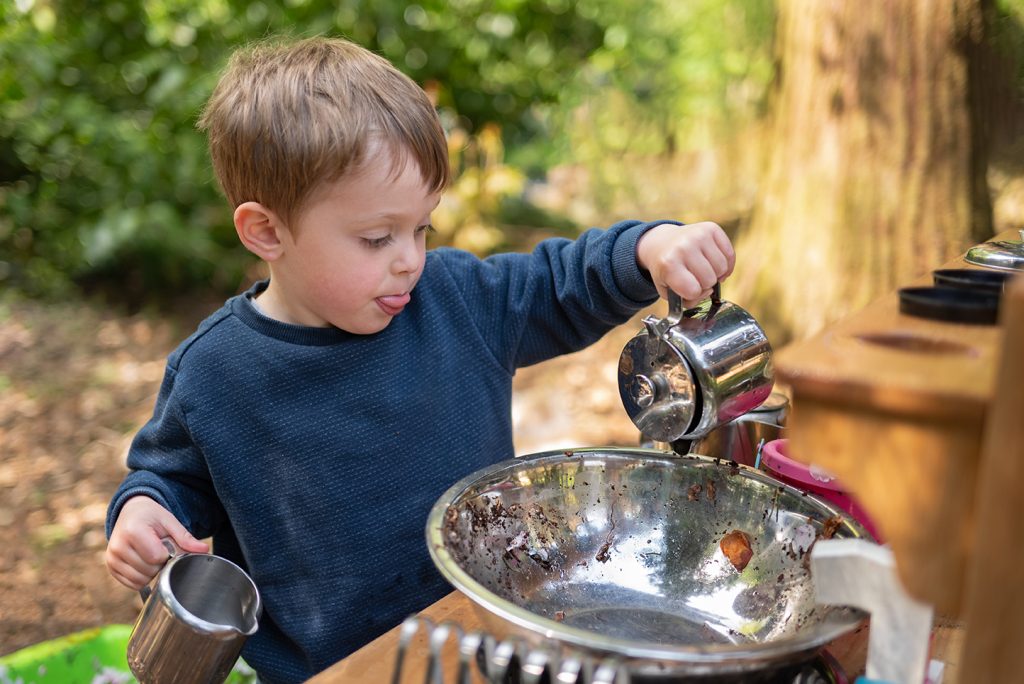
Positional awareness – comes from our proprioceptive system and informs our brain about our position and movement in space. Proprioceptive receptors in muscles and joints are activated with pressure and movement to provide an internal awareness of where the body is in space and where are limbs are placed, without having to look.
Poor positional awareness can lead to balance issues, clumsiness, difficulty copying movements, poor gross motor skills and poor posture. Young children must work hard in order to enable them to know where their body is and so if they are applying concentration elsewhere, they may fall or slide off a chair and be generally uncoordinated.
Proprioception also gives the body feedback about force, how hard to push to open a door or how hard to press with a pencil to make a mark. Children with poor proprioception may use too little or too much force in certain circumstances.
Spatial Awareness
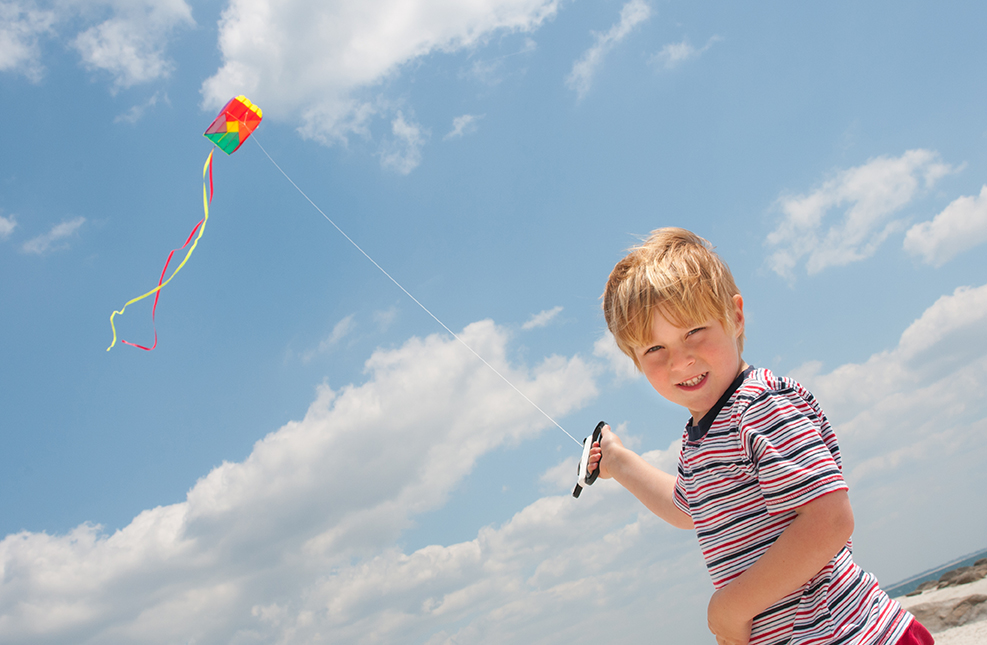
Spatial awareness is the understanding and perception of the space around oneself and the objects within that space. It is the ability to know where your body is in relation to other objects and people and being able to navigate and move through space efficiently. Spatial awareness comes from the combined input from three sensory systems:
- Proprioceptive system – feedback system from muscles, tendons and joints to the brain about movement and body position.
- Vestibular system – located in the inner ear, it detects changes in head position and movement, helping to maintain balance and information about body position in relation to gravity. The vestibular system is essential for maintaining posture and coordinating head and eye movements.
- Visual system – vision provides vital information about the environment, the location of objects, their movement and spatial relationships between objects. The visual system helps to determine depth, distance and perspective, which work with the other systems to provide spatial awareness.
Children use spatial awareness when climbing a ladder, jumping between two points, running around and avoiding collisions. It helps children’s coordination and fine and gross motor skills. It supports reading and writing and provides children with the ability to understand the spatial orientation of letters and words on a page so as not to muddle a ‘b’ and a ‘d’. It enables children to mentally rotate objects and compute mathematical processes in their brains. It allows them to visualise perspective and to coordinate how one space is used in relation to another space, with regards to direction, distance, and location.
Balance
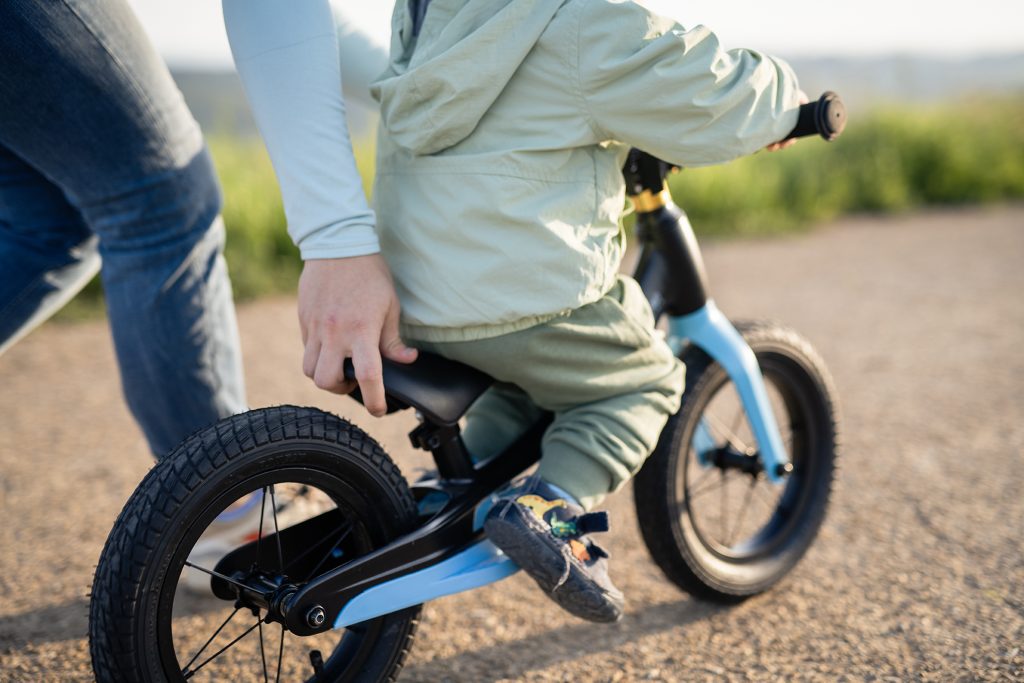
Balance is essential for children to control and manage the movement of their bodies. It is the ability to stay upright and distribute body weight against gravity and not fall over. Balance is maintained from an interaction between the proprioceptive, vestibular and visual systems (as described above). The brain uses this information to instruct a model of the head and body in relationship to itself and the external world (Teale M, 2011).
There are two types of balance:
Static balance is maintaining equilibrium whilst stationary and is required for a person to sit still. A child with poor static balance will often fidget and lose concentration.
Dynamic balance is maintaining equilibrium whilst moving and is required for gross motor movements. A child with poor dynamic balance might find gymnastics, cycling or ball sports challenging.
If a child has poor static balance, it does not mean they automatically have poor dynamic balance. There are children who are fantastic at sports, but they find it difficult to sit still. Equally, there are children who can balance on one leg or sit still but find it difficult to balance when moving.
Focusing on regular balance exercises to stimulate the proprioceptive system and the vestibular system can improve balance, gross motor and fine motor skills. These have an impact on learning goals through improved cognitive skills, movement skills, sport, self-esteem and confidence.
7. Primitive Reflexes
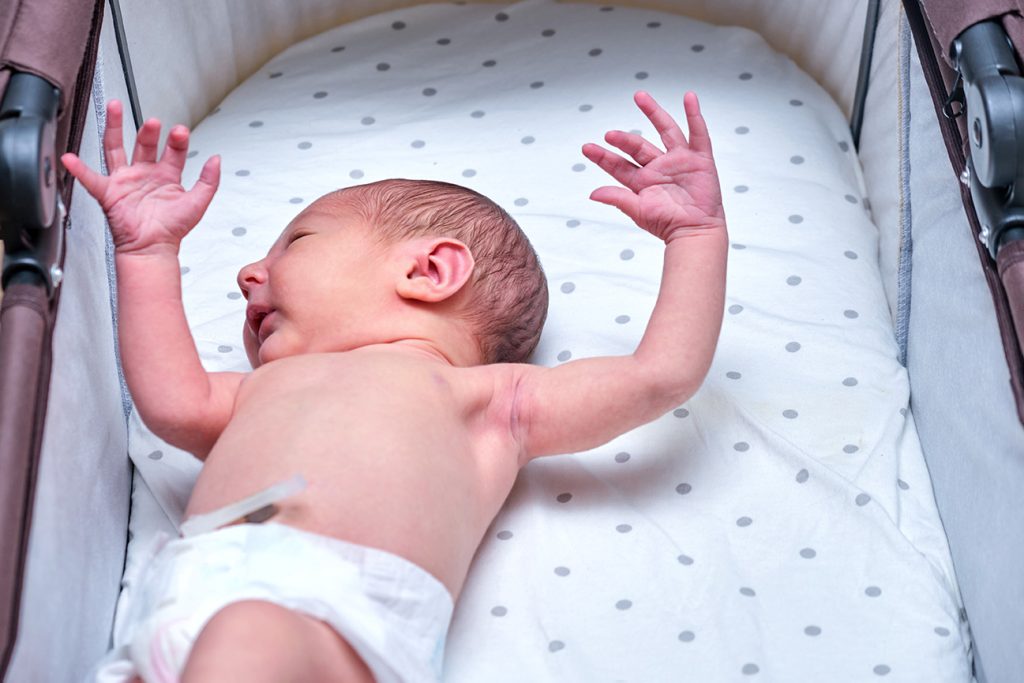
We are all born with primitive reflexes. These are normal, automatic, involuntary movements present in infants. These reflexes originate in the brainstem and spinal cord and serve as life-sustaining mechanisms during early development. Primitive reflexes play a crucial role in early motor development, helping babies develop foundational skills that later contribute to hand-eye coordination, eye tracking, and the ability to cross the midline.
Primitive reflexes aid in the development of posture, balance, coordination, and stability. They are essential for the maturation of the vestibular (balance) system and influence a child’s early responses to their environment.
Examples of Primitive Reflexes include:
The Suck Reflex: important not only for babies to eat to survive but also to help a baby coordinate breathing and swallowing.
The Moro or Startle reflex: is evident to help babies survive as they react to loud noises, sudden changes in head position or temperature changes.
The Asymmetrical Tonic Neck Reflex (ATNR): helps babies descend the birth canal and helps a baby to develop the skills to use the left side of the body independently from the right side, as well as developing cross pattern movements and hand-eye co-ordination.
These early reflexes are located in the most primitive area of the brain, the brainstem, and are involuntary (cannot be controlled).
During the developmental process, as the higher parts of the brain (the cortex, responsible for thinking and reasoning, and the midbrain, responsible for motor and sensory system organization) take over, primitive reflexes mature and integrate into more sophisticated neuromotor functions. This transition allows for voluntary movement and learning.
By 6 to 12 months of age, infants should integrate these reflexes, enabling them to move from a crawling posture to standing, and begin developing ‘postural reflexes’ needed for adulthood. Each reflex plays a specific role at key stages in neurological development.
Retained Primitive Reflexes
Neurological development is highly complex. In most children, primitive reflexes are integrated (matured) as the child progresses through typical developmental stages. However, various factors, like those that affect school readiness, discussed above, can sometimes disrupt or block the developmental pathways of the nervous system, leading to the retention of these reflexes.
Retained primitive reflexes can interfere with the maturation of the neurological system, resulting in immature neuromotor skills (Gieysztor et al., 2018; Pecuch et al., 2021), poor eye control, impaired balance, poor coordination, and emotional and social immaturity. Consequently, retained reflexes may impact skills necessary for school readiness, creating barriers to learning, which can lead to lower educational outcomes. Retained primitive reflexes have also been linked to conditions such as autism spectrum disorder (ASD), attention-deficit hyperactivity disorder (ADHD) (Taylor et al., 2004), dyslexia, dyspraxia, sensory processing disorders, and learning difficulties (McPhillips, 2007).
In some cases, reflex retention may be mild, with children displaying symptoms that are manageable and may not prompt immediate concern. However, signs to watch for include challenges with reading, writing, phonics, and mathematics, difficulty focusing or sitting still, clumsiness, anxiety, and bedwetting.
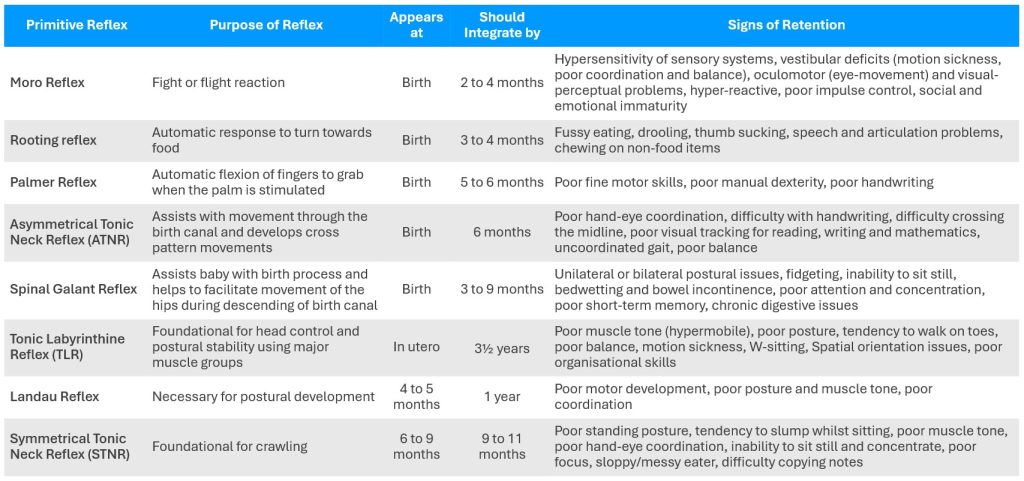
The following table is a helpful guide to the purposes of various primitive reflexes and the signs that may appear if they are retained.
Rewards of Corefulness
Corefulness impact on learning
By maturing movement skills and retained primitive reflexes the Corefulness programme aims to optimise learning potential and fulfil learning goals.
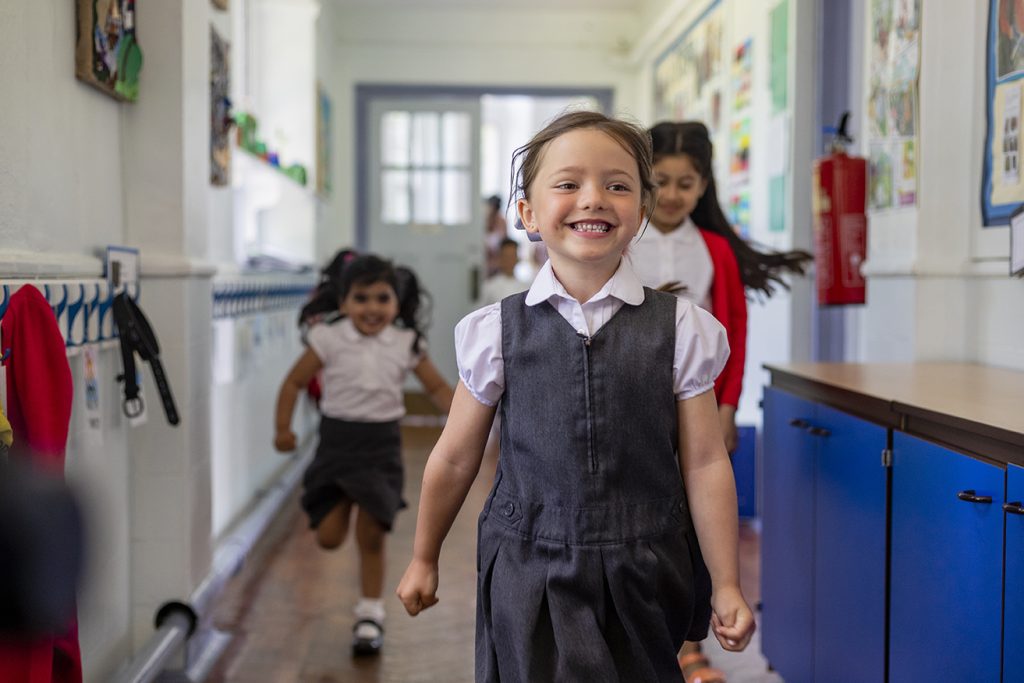
Children who lack readiness for learning and start school with immature motor skills are at a distinct disadvantage, however following the Corefulness programme in the EYFS and Key Stage 1 setting will give every child the best opportunity to thrive.
Children can experience barriers to learning due to immature movement skills and retained primitive reflexes. Sometimes, children compensate so well that teachers and parents are unaware that a child is having to work harder than necessary to achieve their learning goals. The programme targets barriers to learning to reduce the compensations that children have to make.
Every child from nursery age to year 6 follows short, video-based exercises, twice a day in the classroom. These exercises mature movement skills. The exercises improve core stability, shoulder stability, balance, hand-eye coordination, fine motor control, gross motor control, eye tracking, eye focus, cross body coordination, coordination of the right and left sides of the body together and separately, positional awareness and spatial awareness.
To unblock neural developmental pathways, and mature retained primitive reflexes, children must work through basic infant movement patterns repeatedly. Big Moves takes children through a logical, evidence-based programme over the course of a year.
The specific exercises in the Corefulness programme therefore help mature movement skills and unblock developmental pathways, which in turn helps children with their concentration, coordination, movement skills, eye tracking and emotions and ultimately their educational achievement.
Corefulness impact on sport
The Corefulness programme improves core stability, balance and coordination for all aspects of sport and exercise. This can help to increase performance and therefore self-esteem, confidence and inclusion in teams.
HOW:
The muscles in our bodies are designed to move us and stabilise us. Muscles are made up of muscle fibres. There are two major ‘skeletal’ muscle fibre groups in the body known as fast twitch and slow twitch fibres. Every muscle is made up of a percentage of fast twitch fibres and slow twitch fibres.
Fast twitch (a-delta) fibres work at a high-level for a short period of time and produce power and movement.
Slow twitch (C) fibres work at a low-level for a long period of time and produce stability and endurance.
Movement and Stability muscles: depending on the percentage of fast twitch fibres and slow twitch fibres, a muscle will either predominantly be a movement muscle or a stability muscle.
Endurance: As the body is made up of different muscle types, the strength of these muscles will determine how much endurance and the level of intensity a body can maintain. The more control and awareness a person has will ensure stronger functionality through different types of exercise.
Stability: The most important element of strength is stability. If the stabilising muscles are strong and support the skeleton, then the movement muscles will be able to work at maximum capacity and therefore produce maximum power.
If the stabilising muscles are not working to full capacity, they cannot hold the skeleton in correct alignment. The movement muscles must provide stability and after a short duration they tire, can go into spasm and will not work to full capacity.
Therefore, exercises which improve stability, balance and strength will ensure a child can control their body correctly and use their power muscles to maximum capabilities during sport. This not only improves performance but also minimises the risk of injury.
There is excellent research to show that involvement in sports can help children develop respect for their body as well as respect for others. Sport participation contributes to positive development of mind and body leading to higher self-confidence and self-esteem. (Motrovic et al 2012).
We feel positive self-worth through the recognition that we receive from friends, family and teammates and the social relationships that we develop because of our involvement in sport and physical activity.
Corefulness impact on emotional well-being.
Experiencing failure in school is one reason children may have trouble building and/or maintaining positive self-esteem. When students experience failure in school, they usually receive negative feedback and hear about things they did not do well at.
Breaking down barriers to learning can make learning easier and help children improve academic outcomes in the classroom. As individuals improve their academic skills, they gain a sense of accomplishment, mastery and capability. This enhances self-esteem as children recognise their abilities and worth as they complete and succeed at various tasks and challenges. Building self-esteem and self-belief has a positive impact on confidence, courage and emotional well-being.
Corefulness supports the National curriculum.
The Department for Education’s ‘Statutory framework for the Early Years Foundation Stage’ (July 2023) states:
‘Physical activity is vital in children’s all-round development, enabling them to pursue happy, healthy and active lives. Gross and fine motor experiences develop incrementally throughout early childhood, starting with sensory explorations and the development of a child’s strength, co-ordination and positional awareness through tummy time, crawling and play movement with both objects and adults. By creating games and providing opportunities for play both indoors and outdoors, adults can support children to develop their core strength, stability, balance, spatial awareness, co-ordination and agility. Gross motor skills provide the foundation for developing healthy bodies and social and emotional well-being. Fine motor control and precision helps with hand-eye co-ordination, which is later linked to early literacy.
If children start primary school with immature movement skills, then it is important for teachers to recognise this immaturity and help children mature their skills.
The Corefulness programme is designed to help teachers identify children with immature movement skills and to practice and improve all aspects of their movement skills.
‘This programme and what it reveals is truly enlightening. I now have a valuable tool to look at our children in a different way. I recognise children who have immature movement skills, and I understand that this can have a significant impact on their learning unless we address it. Corefulness is the missing link in the physical development area of the Early Years curriculum. It also ensures the ongoing development of these skills as children move through KS1 and KS2, impacting the wider curriculum’.
Sarah Goldsworthy, Assistant Head Teacher and KS1 Coordinator, Dr Radcliffe’s Primary School, Oxfordshire.

9. References
Early Childhood Development and Health Board, Arizona (2006).
Gieysztor, EZ. Choinsk, AM. Paprocka-Borowicz M. (2018) Persistence of primitive reflexes and associated motor problems in healthy preschool children. Arch Med Sci. Jan;14 (1):167-173.
Hansen, K. Josh, IH. Dex, S. (eds) (2010) Children of the 21st century. The first five years. The Policy Press, Bristol, UK.
McPhillips, M. Hepper, PG. Mulhern, G.(2000) Effects of replicating primary reflex movements on specific reading difficulties in children; a randomised, double blind, controlled trial. The Lancet, 355:537-541.
McPhillips, M. Jordan-Black, JA. 2007 Primary reflex persistence in children with learning difficulties (dyslexia): A cross-sectional study. Neuropsychologia, 4 (4) 748-754.
Mitrovic, M. Todorvic, D. Markovic, Z. 2012 Anxiety and self-esteem in students of sport and physical education. Research in Kinesiology, 40 (2) 133-139.
Oxfordshire County Council’s School Readiness and Lifelong Learning Strategic Plan. (2020).
Pecuch, A. Gieysztor, E. Wolańska, E. Telenga, M. Paprocka-Borowicz, M. 2021 Primitive reflex activity in relation to motor skills in healthy preschool children. Brain Sci. 11, 967.
Preedy, P. Duncombe, R. Gorely, T. 2020 Physical development in the early years: The impact of a daily movement programme on young children’s physical development. Education
Princess of Wales’s Royal Foundation Centre for Early Childhood and their ‘Shaping Us’ campaign (January 2023).
Taylor, M. Houghton, S. Chapman, E. 2004 Primitive reflexes and attention-deficit/ hyperactivity disorder: developmental origins of classroom dysfunction. International Journal of Special Education. 19 (1): 23-37
Teale, M. 2011 Explain how certain reflexes can affect control of balance. Essay submitted to The Institute for Neuro-Physiological Psychology. Chester, UK.
The Department for Education’s ‘Statutory framework for the Early Years Foundation Stage’ (July 2023).