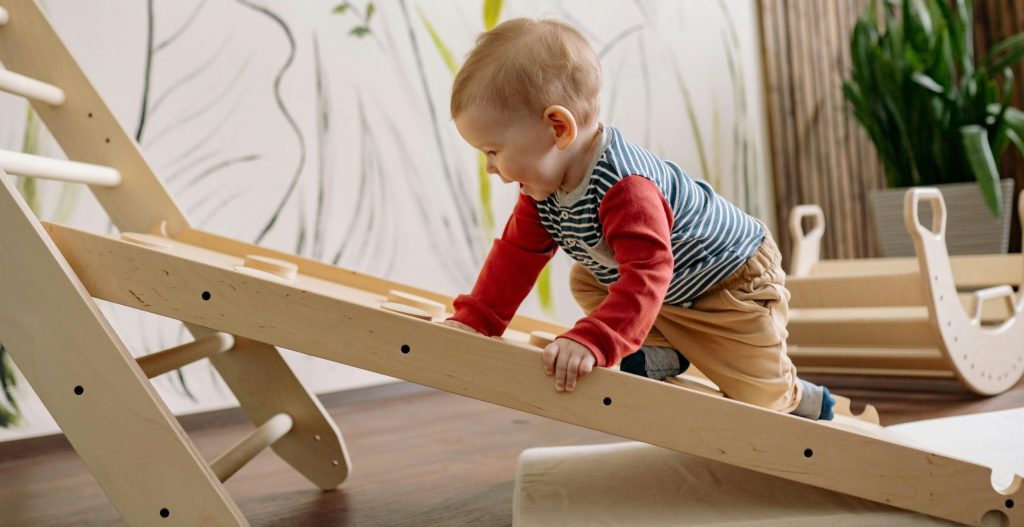
The Impact of Early Neuromotor Development on Learning Potential and Performance
Increasing Challenges in Early Education
In recent years, teachers have reported more children in nursery and primary schools who lack concentration, are restless and unable to sit still. These children have a combination of coordination issues, poor handwriting, difficulty with reading and understanding mathematical processes, poor communication skills, a lack of control of their emotions and immaturity with self-care. This increase may be linked to a variety of factors including physical immaturity, and it’s essential to explore this connection.

‘From birth to age 5, a child’s brain develops more than at any other time in life. Early brain development has a lasting impact on a child’s ability to learn and succeed in school and life. A newborn baby has all the brain cells (neurons) they’ll have for the rest of their life, but it’s the connections between these cells that really make the brain work. The early childhood years are crucial for making these connections.’
The Early Childhood Development and Health Board (ECDH) – First Things First (FTF), Arizona (2006)

Historical Impact of Neuromotor Maturity on Educational Success
Since 1980, when a shift from assessing reception children using a developmental model to a cognitive model was made, the ability to monitor vital neuromotor skills was lost.
Delays in motor skills in early school years are linked to future cognitive and behavioural challenges.

Evolving Challenges and Priorities in UK Education
These issues reflect the complex and evolving nature of education, emphasizing the need to adapt and meet diverse pupil needs.

School Readiness
From ages 0-5, the brain undergoes its most rapid development, with vital neural connections determining a child’s readiness for school by reception age.

Factors Influencing Neural Connections
A child’s environment, diet, and early life experiences in the first five years significantly shape their brain development.

Barriers to Learning
Various factors can hinder a child’s ability to fully engage in learning, including immature neuromotor skills.

Neuromotor Skills
Essential movement skills are critical for school readiness and maximizing learning potential.

Primitive Reflexes
Primitive reflexes are normal infant reflexes which help babies feed, move and survive. Most of these reflexes should have matured by 6-12 months. Due to the complex nature of the neurodevelopmental system, primitive reflexes can be retained beyond the normal time and can affect children’s physical maturity, cognitive outcomes, behaviour and emotions.
Impact of the Corefulness Programme
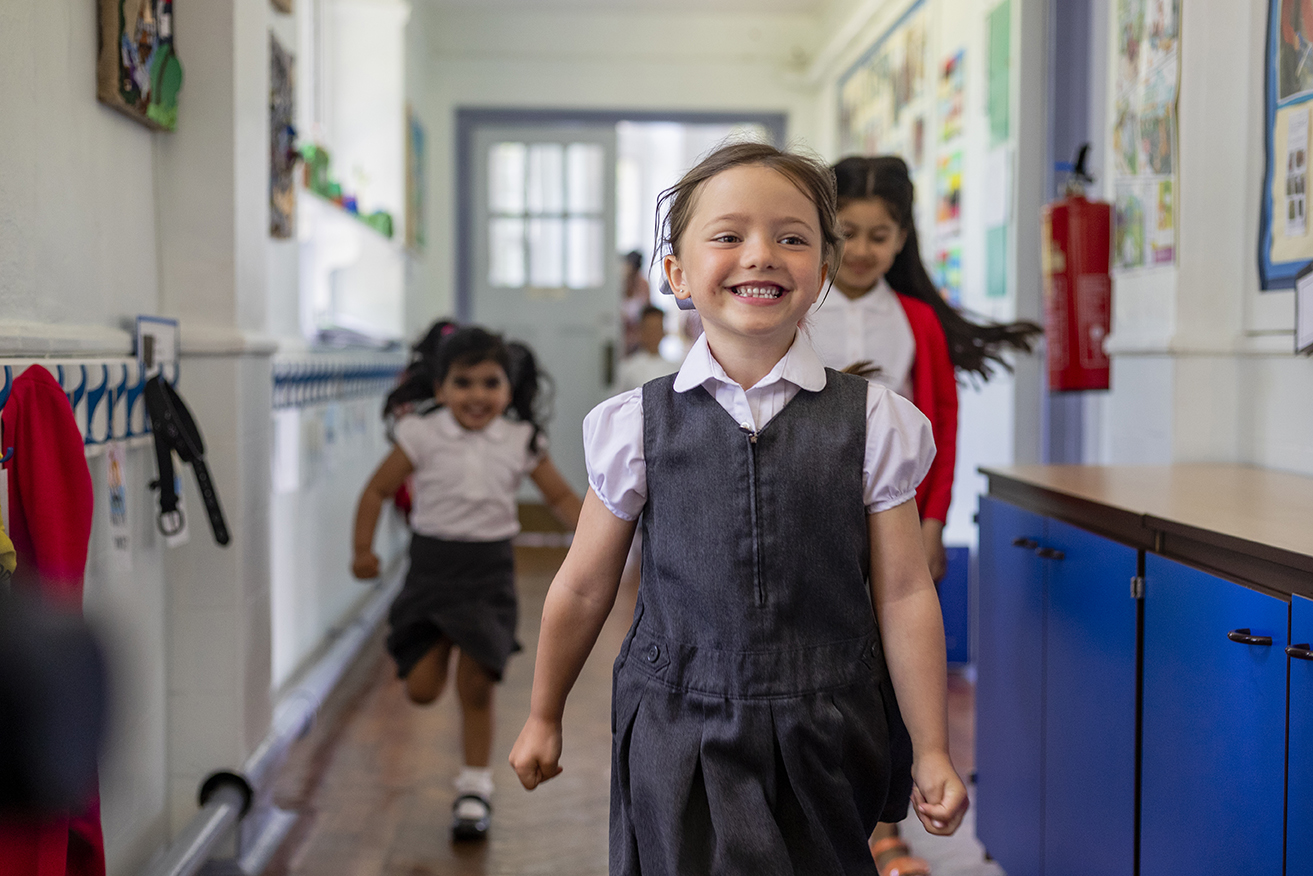
The Nursery and Primary School Programme improves children’s learning, Physical Skills, emotional well-being in line with the National Curriculum.